Last Updated: October 25, 2026
Quick Summary
Sedation dentistry is the use of carefully chosen medication to help you stay calm and comfortable during dental treatment without putting you to sleep. It helps adults who feel anxious, have a strong gag reflex, need long or complex treatment, or have put off care for years. Most dental sedation sits in the mild-to-moderate range, so you stay awake and can answer questions.
- Nitrous oxide is inhaled through a mask, starts working within minutes, and wears off fast so you can drive yourself home.
- Oral sedation is a pill taken before the visit that leaves you drowsy for several hours and requires a ride home.
- IV sedation delivers medication into a vein and is the most controllable option for long or complex procedures.
- Tell your dentist about all medications, allergies, sleep apnea, and past sedation reactions before your visit.
- Ask for a written sedation estimate and confirm insurance coverage before you commit to treatment.
Table of Contents
- What Sedation Dentistry Is and Who It Helps
- Types of Sedation Dentistry for Adults
- What Does Sedation at the Dentist Feel Like?
- How Long Does Dental Sedation Last?
- How to Prepare for Dental Sedation
- Risks, Side Effects, and Who Should Not Have Sedation
- Cost, Insurance, and Choosing a Qualified Provider
- Schedule a Sedation Consultation at Canyon Dental
- Frequently Asked Questions
What Sedation Dentistry Is and Who It Helps
Sedation dentistry is the use of carefully chosen medication to help you stay calm and comfortable during dental treatment. It does not put you to sleep.
At Canyon Dental, we offer certified in-house sedation for adults who dread the chair. That fear is common, and it keeps people away for years.
Here is the short version.
What most guides miss is the difference between feeling relaxed and being unconscious. Most dental sedation sits in the mild-to-moderate range.
Types of Sedation Dentistry for Adults
Three main options cover most adult patients. Each one changes how awake you feel and how long the effects last.
| Type | How It’s Given | Awareness | Best For |
|---|---|---|---|
| Nitrous oxide | Inhaled through a mask | Awake, relaxed | Short visits, mild nerves |
| Oral sedation | Pill before the visit | Drowsy, relaxed | Moderate anxiety, longer work |
| IV sedation | Into a vein | Deeply relaxed | Complex or lengthy procedures |
Nitrous Oxide (Laughing Gas)
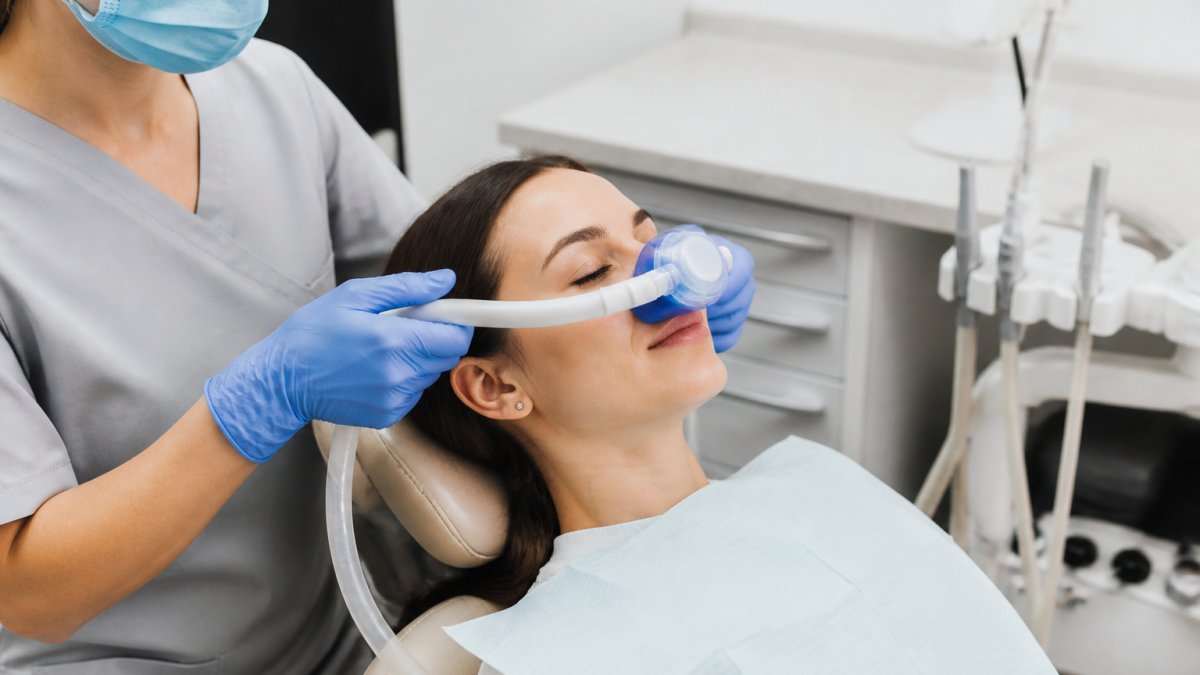
Nitrous oxide is the lightest option. You breathe it through a small mask over your nose. The effect starts within minutes and wears off fast, so you can drive yourself home afterward.
We adjust the flow as needed during your visit. If you feel too foggy, we turn it down. This makes laughing gas a good fit for cleanings, small fillings, and patients who just need help settling down.
Oral Sedation
Oral sedation means taking a pill before your appointment. You will feel drowsy and calm, and some patients doze lightly. You may not remember much of the visit afterward.
You need a ride home with this option. Someone should stay with you for a few hours. Oral sedation suits adults with moderate dental anxiety or those facing longer restorative work.
IV Sedation
IV sedation delivers medication directly into a vein. We can adjust the level during treatment, which makes it the most controllable option. It reaches the deepest level of relaxation we offer.
This is our choice for long procedures, complex dental work, or patients with strong fear of the dentist. You will need an escort and should plan a quiet day afterward.
What Does Sedation at the Dentist Feel Like?
Most adults describe dental sedation as a heavy, warm calm. You feel drowsy and loose. Sounds seem distant. Time passes quickly, and many patients remember little of the appointment.
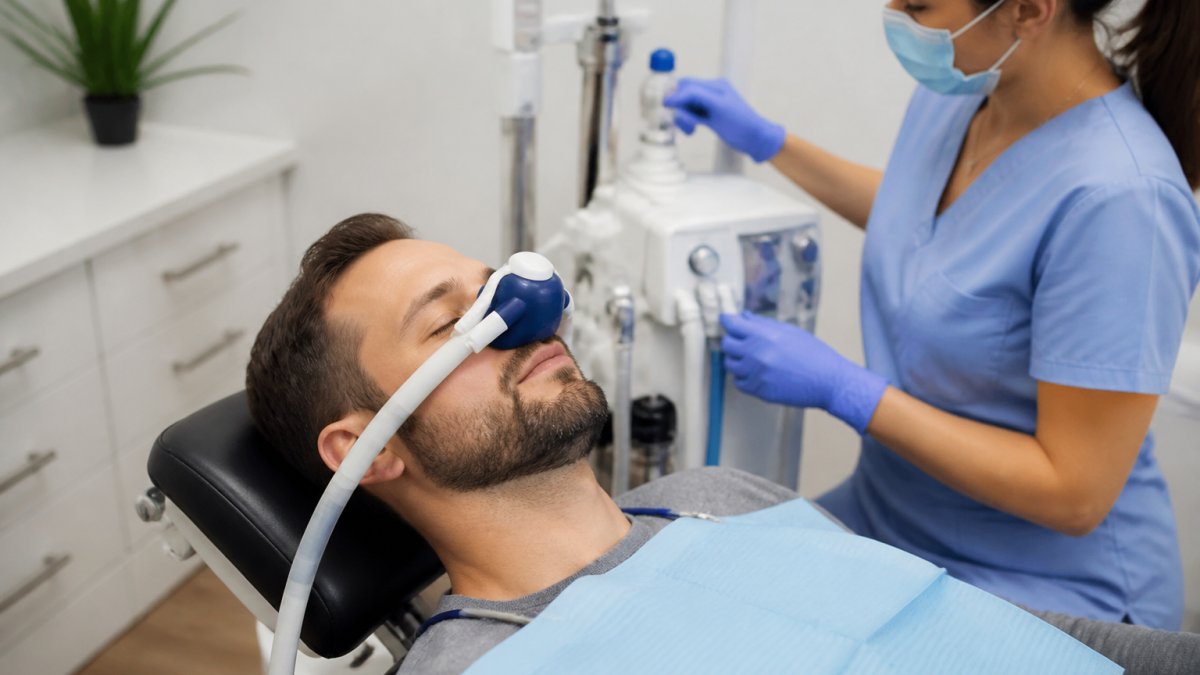
You will not feel the same as being put to sleep. You can still respond to instructions and open your mouth when asked.
The goal is simple: reduce fear and promote relaxation without losing control. Most people say the visit felt shorter than expected. Some feel groggy for a while, then normal.
How Long Does Dental Sedation Last?
Sedation length depends on the type you choose. Nitrous oxide wears off within minutes once we remove the mask. Oral sedation can leave you drowsy for several hours. IV sedation fades over a few hours, with some grogginess into the next day.
Plan the rest of your day around it. Do not drive, operate machinery, or make big decisions until the effects clear. For oral and IV sedation, arrange for someone to drive you home and stay with you for a few hours.
How to Prepare for Dental Sedation
Preparation is where most patients get it wrong. Follow these steps and your visit goes smoother.
- Tell us every medication, supplement, and health condition you have
- Report any allergies, past reactions to sedation, or sleep apnea
- Follow our eating and drinking instructions exactly before your visit
- Arrange a ride home and a companion for oral or IV sedation
- Wear loose, comfortable clothing with short sleeves
- Leave the driving and heavy tasks to someone else that day
Watch out: skipping the fasting instructions can cause serious problems during sedation. If you eat when told not to, call us before your appointment.
You can review our patient information and forms to get ready ahead of time.
Risks, Side Effects, and Who Should Not Have Sedation
Sedation is generally well tolerated, but the risk profile changes with the type and depth of sedation. A balanced look at each option helps you ask better questions before your appointment.
Nitrous oxide
Nitrous oxide is the mildest option and carries the lowest risk for most healthy adults. Common effects include lightheadedness, tingling in the hands or feet, and mild nausea. These usually fade within minutes once the mask is removed. Because you remain awake and can hold your own airway, serious breathing problems are rare. Nitrous oxide is generally avoided during early pregnancy and in patients with certain lung conditions or vitamin B12 deficiency, so disclose those details.
Oral sedation
Oral sedation produces moderate sedation, meaning you are drowsy but can still respond. Side effects include prolonged drowsiness, headache, nausea, and dry mouth. Because the medication is swallowed, the level cannot be adjusted once it is in your system, and effects can last several hours. The main safety concerns are oversedation and interaction with other sedatives, including alcohol, opioid pain relievers, and sleep medications. You will need an escort and should not drive or operate machinery for the rest of the day.
IV sedation
IV sedation reaches deeper relaxation and is the most controllable because the dentist can adjust the dose during treatment. It also carries the highest risk of breathing depression, blood pressure changes, and medication reactions. That is why IV sedation requires continuous monitoring of oxygen saturation, heart rate, and blood pressure, plus a team trained in emergency response. Adults with severe heart, lung, or kidney disease, untreated sleep apnea, or a history of adverse anesthesia reactions need careful screening before IV sedation is considered.
General anesthesia
General anesthesia is reserved for select cases and carries the greatest risk, including airway compromise and cardiovascular effects. It requires specialized training, equipment, and monitoring. Most general dentistry for adults does not require this depth, but it may be appropriate for certain complex procedures or patients who cannot tolerate other options.
Who should not have sedation
Some adults should avoid certain types of sedation or need medical clearance first. Tell your dentist if you:
- Are pregnant or could be pregnant
- Have severe lung, heart, kidney, or liver disease
- Take medications that interact with sedatives, including opioids, benzodiazepines, or sleep aids
- Have a history of bad reactions to anesthesia or sedation
- Have untreated or poorly controlled sleep apnea
- Have a history of substance use disorder
Your dentist should screen you before recommending an option. If a type is not safe for you, a different approach or a referral to a specialist may be the right path.
Skipping fasting instructions before oral or IV sedation can cause serious complications, including aspiration. If you eat when told not to, call your dentist before the appointment.
Cost, Insurance, and Choosing a Qualified Provider
Cost is one of the first questions adults ask about sedation dentistry, and it is rarely answered clearly. Sedation is typically billed separately from the dental procedure itself, and the total depends on the type of sedation, the length of the visit, and your treatment plan.
What drives the cost
- Sedation type: Nitrous oxide is usually the least expensive option, oral sedation is moderate, and IV sedation is typically the highest because it requires more monitoring and staff time.
- Visit length: Longer appointments use more medication and monitoring time.
- Provider training and equipment: Practices with advanced monitoring and emergency readiness may charge more for IV sedation.
- Geographic market: Fees vary by region and practice, so ask for a written estimate.
Most dental offices do not publish sedation fees because every case is different. Ask for a written estimate before you commit, and confirm what is included: monitoring, medications, and follow-up.
Insurance and payment
Dental insurance often covers the underlying procedure but may not cover sedation itself, or may cover only part of it. Medical insurance sometimes covers sedation when it is medically necessary, such as for certain health conditions, but coverage rules vary. Before treatment, ask your insurer:
- Is sedation dentistry a covered benefit under my plan?
- Does coverage differ by sedation type?
- Is preauthorization required?
- What will I owe out of pocket?
Many practices offer payment plans or third-party financing. Ask about options before the appointment so there are no surprises.
How to choose a qualified provider
Credentials and safety infrastructure matter more than most patients realize. Look for a dentist with formal sedation training, appropriate state licensure, and a team trained in emergency response. Ask these questions:
- Who will administer and monitor the sedation?
- What monitoring equipment is used during treatment?
- Is there a dedicated person watching my breathing and vital signs?
- What emergency protocols and equipment are in place?
- How many sedation cases does the practice handle, and what types?
- What are the fasting and escort requirements?
A provider who welcomes these questions and explains the answers clearly is a good sign. At Canyon Dental, sedation is handled in-house with certified training and monitoring. Dr. Kyle Bowen, DDS, and Dr. Crystal Sekaquaptewa, DDS, trained at Creighton University School of Dentistry, and Dr. Bowen completed advanced training in oral surgery and implants at Parkland Hospital. You can review your implant insurance and financing options or learn more about Dr. Kyle Bowen before you book.
Ask for a written sedation estimate, confirm insurance coverage in advance, and choose a provider who can explain monitoring and emergency readiness in plain terms.
Schedule a Sedation Consultation at Canyon Dental
Dental fear does not have to keep you out of the chair. A short consultation tells you which sedation option fits your health, your anxiety level, and your treatment plan.
At Canyon Dental, we pair certified in-house sedation with a calm, welcoming office. Our in-house dental lab and same-day smile protocol mean fewer visits and faster results.
Get started with Canyon Dental and schedule a visit that finally feels manageable. Reach out through our contact page to book your sedation consultation, or read more about sedation dentistry and the options we offer.
Frequently Asked Questions
Can you drive yourself home after dental sedation?
Not after oral or IV sedation. Both leave you drowsy and slow your reaction time for hours, so you need a responsible adult to drive you home and stay with you for the rest of the day. Nitrous oxide is different: most people recover within minutes once the mask comes off and can drive themselves, provided they feel fully alert. Ask your dentist which rule applies to your specific appointment before you arrange transport.
What is the difference between nitrous oxide and oral sedation?
Nitrous oxide is inhaled through a small mask, takes effect in minutes, and wears off almost as fast, so you can usually drive yourself home. Oral sedation is a pill taken before the appointment, produces deeper relaxation, and lasts several hours, which means no driving and someone to watch you afterward. Nitrous suits shorter, milder anxiety; oral sedation fits longer or more involved treatment.
Who is a good candidate for dental sedation?
Adults with strong dental anxiety, a sensitive gag reflex, difficulty sitting still, or a need for lengthy restorative work are common candidates. It also helps people who have put off care for years. Your dentist will review your medical history, current medications, and any conditions such as sleep apnea or heart problems before recommending a sedation level. A consultation is the only way to know which option fits you.
How should adults prepare for sedation dentistry?
Tell your dentist every medication, supplement, and health condition you have, and arrange a ride home plus a companion for the day. For oral or IV sedation you will usually be asked to fast for several hours beforehand. Wear loose, comfortable clothing with short sleeves, and skip alcohol the night before. Follow the specific written instructions your provider gives you, since they vary by sedation type.