
Last Updated: November 21, 2026
Quick Summary
The dental implant vs bridge choice comes down to whether you replace the tooth root or anchor a false tooth to neighboring teeth. An implant is a titanium post placed in the jawbone that supports a custom crown, while a bridge reshapes the adjacent teeth to hold a pontic. Neither option wins for everyone; your clinical situation decides.
- An implant fuses with bone through osseointegration, while a bridge does not stimulate bone.
- A traditional bridge permanently removes healthy enamel from the abutment teeth beside the gap.
- Implants are generally considered the longer-lasting option, but bridges typically need replacement sooner.
- A bridge can span several consecutive missing teeth in one restoration, a genuine structural advantage.
- Ask for an itemized written estimate from both sides so you can compare like with like.
Table of Contents
- Dental Implant vs Bridge: How Each Replaces a Missing Tooth
- Key Differences Between Implants and Bridges
- Tooth Bridge vs Implant Cost: What Drives the Total
- Dental Bridge vs Implant for Front Teeth
- How Long Do Dental Implants and Bridges Last?
- Dental Implant vs Bridge Pain and Recovery
- Choosing Between an Implant and a Bridge in Orem
- Schedule Your Consultation at Canyon Dental
- Frequently Asked Questions
Dental Implant vs Bridge: How Each Replaces a Missing Tooth
A dental implant vs bridge decision comes down to one structural question: do you replace the tooth root, or do you anchor a false tooth to the teeth beside it? That single difference shapes cost, longevity, how much healthy tooth structure you keep, and how the replacement feels when you bite down. The honest answer is that neither option wins for everyone. Below, we break down how each one works, what drives the total cost, and which situations point toward which treatment.
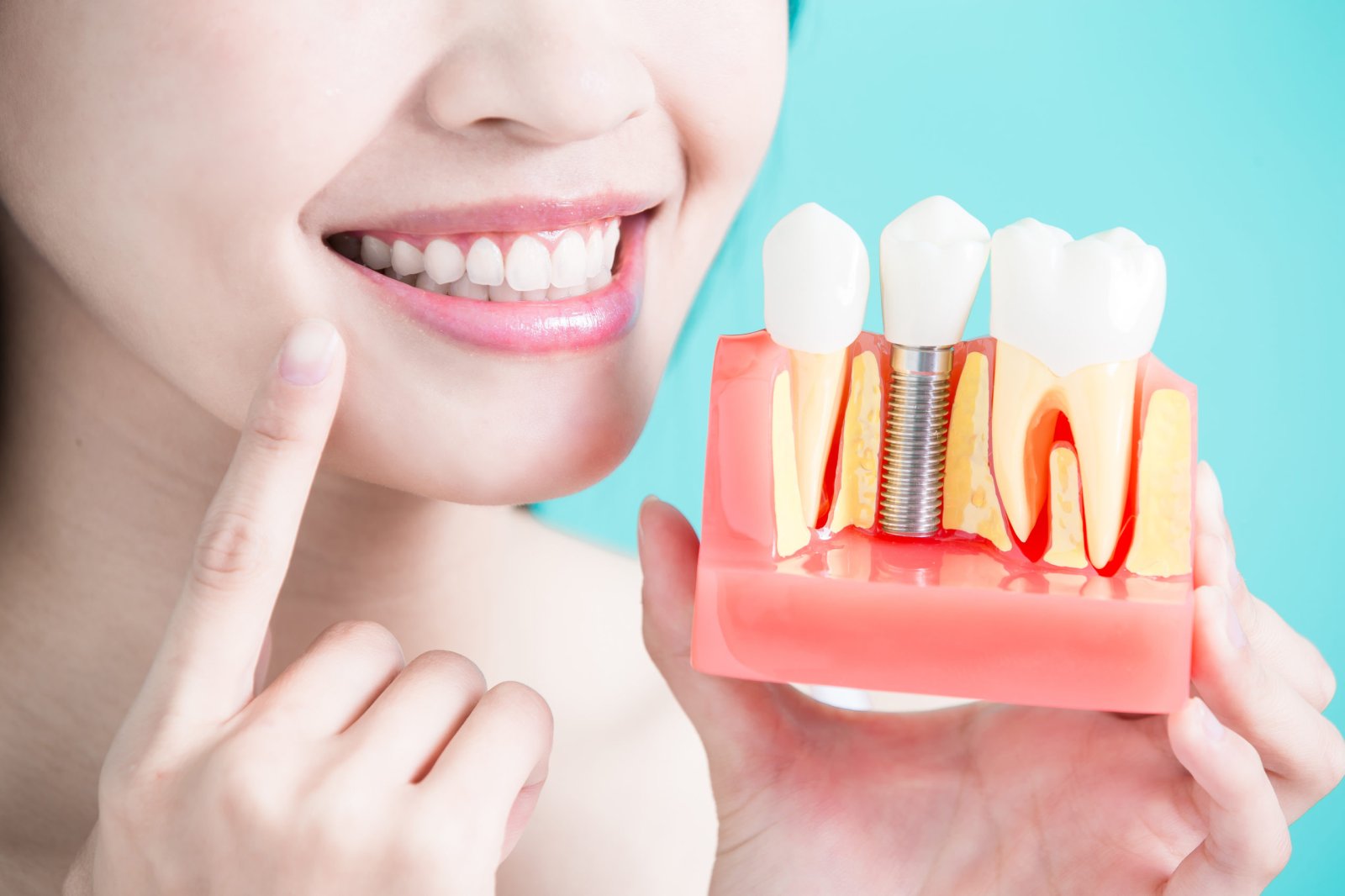
A dental implant is a titanium post surgically placed into the jawbone that fuses with bone over time and supports a custom crown. A dental bridge is a fixed restoration that fills the gap by anchoring a false tooth, called a pontic, to crowns placed on the neighboring teeth. Both replace a missing tooth. Only one replaces the tooth root.
What a Dental Implant Is and How It Works
An implant replaces the entire tooth from the root up, in stages. First, imaging and a dental examination confirm whether you have enough jawbone to support the implant post. If bone loss has occurred, a bone graft may be needed before surgery. The titanium post is then placed into the jaw, and over the following months it fuses with the bone through a process called osseointegration (Optimizing Osseointegration in Dental Implantology). An abutment connects the post to a final crown. If you want the full procedure details, our dental implant service page walks through each stage and how to book a consultation.
What a Dental Bridge Is and How It Works
A bridge spans the gap without touching the jawbone. The two teeth on either side of the space, called abutment teeth, are reshaped to receive crowns, and the pontic is suspended between them as one fixed piece. It generally takes less time than an implant and does not require surgery. The trade-off: healthy enamel on those neighboring teeth is permanently removed, and the bone under the pontic no longer receives the stimulation that chewing normally provides. You can see the crown and bridge options we offer on our crowns and bridges page.
Key Differences Between Implants and Bridges
| Factor | Dental Implant | Dental Bridge |
|---|---|---|
| Support structure | Titanium post in jawbone | Anchored to neighboring teeth |
| Adjacent teeth | Left untouched | Reshaped permanently |
| Surgery required | Yes | No |
| Bone loss protection | Helps preserve jawbone | Does not stimulate bone |
| Treatment time | Several months | A few weeks |
| Replacement cycle | Long-term, often decades | Typically needs replacement sooner |
The biggest practical difference is what happens to the rest of your mouth. An implant is a single-tooth replacement that stands alone. A traditional bridge ties three teeth together, so a problem with any one of them affects the whole restoration. For patients with consecutive teeth missing, a bridge can cover multiple gaps at once, while implants generally require one post per missing tooth or an implant-supported bridge.
Tooth Bridge vs Implant Cost: What Drives the Total
Tooth bridge vs implant cost comparisons usually mislead because they quote one number for each. A fair comparison follows the full treatment pathway, not the headline price. For an implant, the total typically reflects several separate line items: diagnostic imaging (a periapical X-ray or a cone-beam CT scan), the surgical placement of the titanium post, an abutment, the final crown, and any bone grafting or sinus lift if the site needs it. Many practices also charge separately for a temporary restoration while the implant heals. For a bridge, the total reflects the number of units involved, since a three-unit bridge costs more than a single crown, plus preparation visits and any future replacement if the bridge fails.
A common pattern is that the initial bridge quote looks lower, but the implant pathway spreads cost across more appointments and includes items a bridge does not need. Ask for an itemized written estimate from both sides so you can compare like with like. A written estimate is typically prepared after imaging, because bone grafting needs and crown material choices can change the number substantially.
Insurance adds another layer. Dental insurance often covers part of either treatment, but coverage varies by plan, annual maximums, and whether the plan treats an implant as a covered prosthodontic service or excludes it. Before you commit, ask your insurer these questions: Is the implant crown covered separately from the implant post? Is bone grafting covered? What is my annual maximum, and how much of it will this treatment use? Does the plan require pre-authorization or a waiting period? What is my annual deductible, and has any of it been met? Then ask the dental office for a pre-treatment estimate sent to your insurer so the out-of-pocket figure is confirmed in writing.
Financing is worth asking about directly. Many practices offer third-party payment plans or in-office installment options, and some employers offer flexible spending accounts or health savings accounts that can be used for dental work. Confirm eligibility with the plan administrator before relying on those funds. For a closer look at implant pricing and the affordable options we offer, see our implant cost page.
Dental Bridge vs Implant for Front Teeth
Front teeth change the calculus. Appearance matters more, and so does preserving the bone that holds your smile’s shape. A dental bridge for front teeth can look excellent, and for patients who want a faster result or who are not candidates for surgery, it remains a reasonable choice. An implant-supported crown avoids cutting down the visible teeth beside the gap, which many patients prefer for aesthetic reasons. If your case involves the front of the mouth specifically, our guide to front tooth implants covers the aesthetic and functional details in depth.
How Long Do Dental Implants and Bridges Last?
How long do dental implants and bridges last? Implants are generally considered the longer-lasting option, and with good oral hygiene and regular dental visits they can last for many years. Bridges typically need replacement sooner because decay can develop under the crowns on the abutment teeth, and the supporting bone can change over time. Lifespan for either depends on flossing, gum health, bite forces, and whether you keep up with professional cleanings. Neither option is maintenance-free.
Dental Implant vs Bridge Pain and Recovery
Dental implant vs bridge pain and recovery differ in kind, not just degree. A bridge involves preparation of the abutment teeth and usually causes mild soreness for a few days. An implant involves a surgical procedure, so some swelling and discomfort afterward are typical. Full healing and osseointegration generally take months before the final crown is placed. Sedation options may be discussed with your dentist for patients with dental anxiety.
Choosing Between an Implant and a Bridge in Orem
Choosing between an implant and a bridge starts with your clinical situation, not a price list. The same question produces different answers depending on what is happening around the gap. Here is how common scenarios usually point.
Healthy adjacent teeth. If the teeth on either side of the space are sound and unrestored, an implant preserves them because it stands alone. A traditional bridge would require permanently reshaping those healthy teeth, which is a real cost in enamel you cannot get back.
Weakened or already-crowned adjacent teeth. If the neighboring teeth already need crowns or have large failing restorations, a bridge can solve two problems at once and may be the more efficient path. This is one of the few situations where a bridge has a clear structural advantage.
Insufficient bone. If imaging shows bone loss at the site, an implant may require a bone graft or sinus lift first, which adds time and cost. Some patients choose a bridge to avoid that surgery; others proceed with grafting because they want the long-term bone preservation an implant provides.
Several consecutive missing teeth. A bridge can span multiple gaps in one restoration, which is a genuine advantage when several teeth in a row are missing. An implant-supported approach usually needs one post per missing tooth or an implant-supported bridge, which changes the cost and surgical plan.
Health and lifestyle factors. Smoking, uncontrolled diabetes, and some medications affect healing and implant success, and a dentist will weigh those before recommending surgery. Gum health matters for both options, because a bridge still depends on the health of the abutment teeth and the bone beneath them.
Bring these questions to your consultation: Which option preserves the most natural tooth structure in my case? What does the total cost include, and what is excluded? How many appointments will each option take? What are the risks and signs of complications I should watch for?
Schedule Your Consultation at Canyon Dental
The right choice for your missing tooth depends on details only an exam can reveal. Canyon Dental has over a decade of experience with dental implants, an in-house dental lab, certified in-house sedation dentistry, and comprehensive care from consultation to final restoration under one roof. If you are ready to stop guessing and get a plan, learn how to schedule a dental implant consultation in Orem and let our team review your options with you.
A missing tooth will not wait, and the gap affects your bite, your bone, and your confidence every day. Canyon Dental can assess your candidacy, explain both paths clearly, and build a treatment plan around your comfort and budget. Our team offers in-house lab restorations, sedation options for anxious patients, and same-day smile protocols where appropriate. Get started with Canyon Dental and replace your missing tooth with a plan built for your mouth.
Frequently Asked Questions
Is a dental implant or bridge better for a missing tooth?
Neither is universally better. A dental implant replaces the tooth root with a titanium post and does not rely on neighboring teeth, which suits patients with healthy adjacent teeth and enough jawbone. A dental bridge is a fixed restoration supported by abutment teeth and usually takes fewer visits. Your dentist weighs bone health, gum health, adjacent teeth, timeline, and budget before recommending one.
Which costs more, a dental implant or a bridge?
In most cases an implant has a higher upfront price because it involves a surgical procedure, an implant post, an abutment, and a crown. A traditional bridge often costs less initially but may need replacement sooner and can require re-treatment of the abutment teeth. Ask for an itemized treatment plan so you can compare total cost over time, not just the first bill.
Is a dental bridge or implant better for a front tooth?
For a single front tooth, many dentists favor an implant-supported crown because it preserves the neighboring teeth and can look natural. A bridge is still a reasonable option when bone volume is limited or surgery is not advised. Appearance, gum line, and bite all factor in, so a consultation with imaging gives the clearest answer for your case.
How long do dental implants and bridges last?
Implants can last for many years with good oral hygiene and regular checkups. Traditional bridges commonly last 10 to 15 years, though decay in the abutment teeth or gum changes can shorten that. Maintenance visits and daily flossing make a real difference for both options.
Can you get a dental implant if you have bone loss?
Often yes, but it may require a bone graft first to build enough jawbone for the implant post. Your dentist will use imaging to measure bone volume and check gum health. If grafting is needed, the timeline lengthens because the graft must heal before implant placement. A bridge may be an alternative when surgery is not the right fit.